
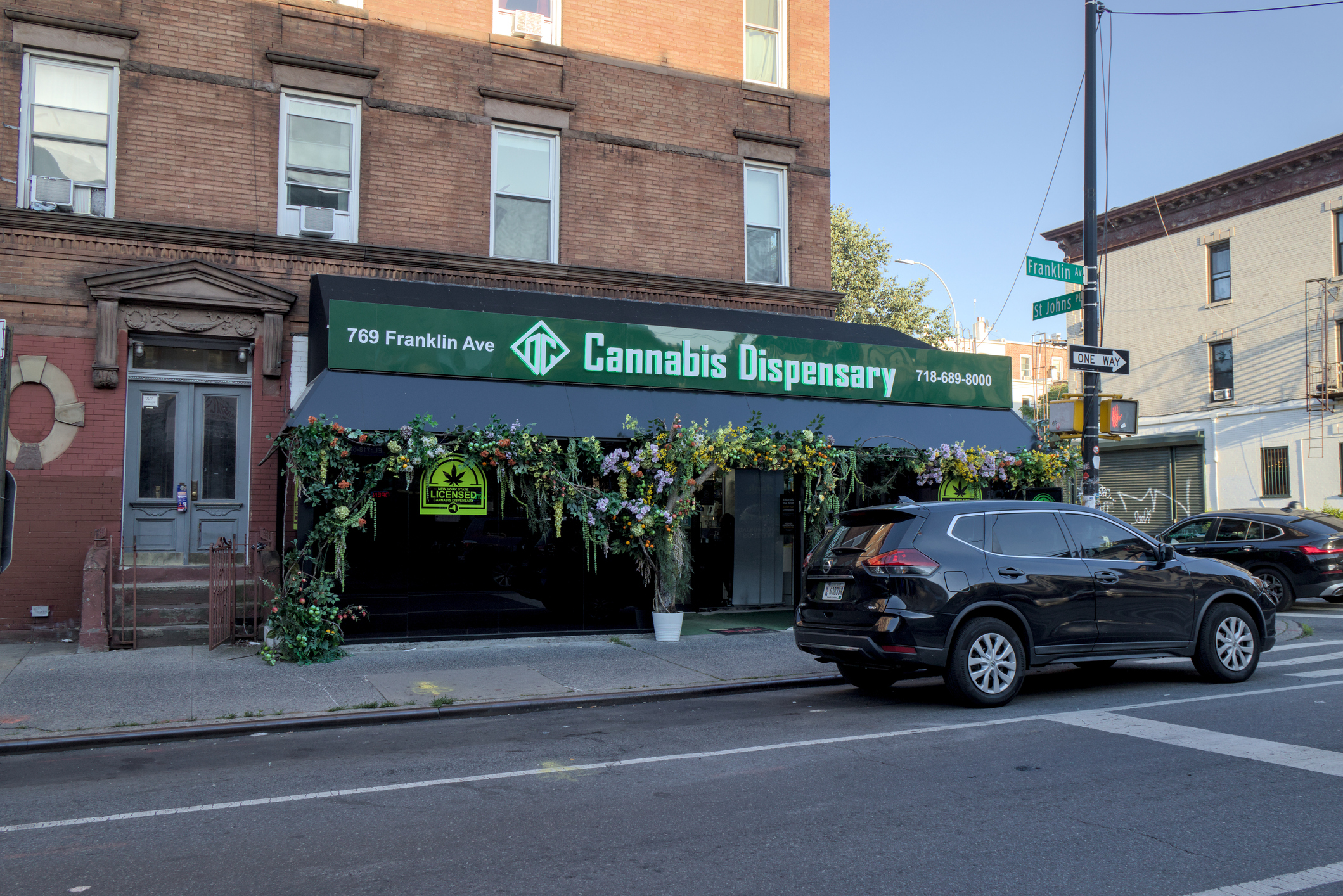
Minnesota’s cannabis industry is creating new opportunities for entrepreneurs, operators, and investors, but one of the first challenges every cannabis business faces is finding a place to open its doors. Whether you are launching a cannabis retail business, cultivation facility, manufacturing operation, or another licensed cannabis enterprise, the location you choose can determine whether your business is positioned for success.
A lease involving a Cannabis company is not your typical run-of-the-mill real estate transaction. For cannabis companies, finding the “right” location is more than just finding a landlord that will let you operate at the property; it requires a more complex strategic and legal review. In locating a suitable property for a cannabis business, you must complete early due diligence. Amongst other matters of due diligence, you should ensure that the property aligns with licensing requirements and that there are no zoning issues or restrictions. A property that appears suitable in the advertisement may be subject to restrictions that create problems if it is not properly investigated up front.
One often-overlooked issue for cannabis tenants is whether the property owner has an existing mortgage. Since cannabis remains illegal under federal law, a landlord’s existing loan documents may restrict or prohibit leasing the property to a cannabis business. Without due diligence on this issue upfront, a cannabis operator may spend substantial resources obtaining licenses, completing build-outs, installing equipment, and preparing for operations, discovering only later on that the landlord’s lender objects to the cannabis use and requires that the tenant vacate the property immediately. Early legal review can help operators avoid investing significant time and money into a location that ultimately cannot be approved.
Once you verify those immediate issues, the next hurdle is negotiations with the landlord, which can be difficult, as many are not keen to stray from their form lease. Additionally, many cannabis operators receive a landlord’s “standard form” lease and assume it can be modified with only minor changes. In practice, many traditional lease provisions do not work for a regulated cannabis business. A few common issues are as follows:
- Compliance With Laws Provisions. Commercial leases often require tenants to comply with “all applicable laws.” For most businesses, that language is routine. For cannabis companies, it creates a problem: cannabis remains prohibited under federal law even though Minnesota law permits licensed cannabis activity. A cannabis tenant cannot realistically agree to a provision requiring compliance with every federal law while federal law prohibits the very activity the tenant is licensed to conduct. Without appropriate revisions, a cannabis business would technically be in breach of the lease simply by operating its licensed business.
- Environmental Compliance Provisions. Cannabis leases also require careful review of environmental provisions. Standard lease language may impose broad obligations relating to hazardous materials, environmental regulations, and tenant activities. Cannabis businesses, and in particular, cultivators, may have specialized operational requirements involving cultivation inputs, waste disposal, water usage, energy consumption, security systems, or regulated materials. Operators should ensure environmental provisions are drafted to accurately describe the tenant’s operations as permitted, and do not impose impossible compliance obligations.
- Landlord Access and Inspection Rights. Standard commercial leases often give landlords broad rights to enter leased premises for inspections, repairs, or other purposes. Cannabis operators must be more careful. Minnesota cannabis regulations impose operational requirements involving security, access controls, and regulatory compliance. Lease provisions should account for notice requirements before landlord entry, restrictions on unauthorized access, protection of secured areas, coordination with cannabis regulatory requirements, and protection of confidential business information. While the lease will still need to allow legitimate property management activities, boilerplate inspection rights also need to be modified in the lease to keep the tenant in compliance with Office of Cannabis Management requirements.
Spotting these problems in a standard form lease is only half the battle. In Part 2, we turn to the protections a cannabis tenant should affirmatively negotiate into the lease, along with the federal-law issues that continue to affect cannabis real estate relationships in Minnesota.
This article is for general informational purposes only and does not constitute legal advice. Cannabis laws and regulations are evolving. Consult an attorney regarding your specific business or real estate matter.