
Kitchen Table, 4:40 a.m.
Over my raisin bran, I read a lawyer’s question for Jesus in Luke 10:25-37. The lawyer acknowledges that he must love his neighbor as himself, then – seeking to justify himself – asks who counts as his neighbor. Jesus answers with the parable of the good Samaritan.
Road from Jerusalem to Jericho, circa AD 33
A man is robbed, beaten, and left half dead on the road. A priest and a Levite pass by. Although Jews have no dealings with Samaritans, a Samaritan stops, tends the man’s wounds, and takes him to an inn. He pays for the man’s care and promises to cover any additional expenses.
Kitchen Table, 4:45 a.m.
When Jesus asks which traveler acted as a neighbor, the lawyer answers: the one who showed mercy. Jesus tells him to go and do likewise.
What struck me was how Jesus turned the lawyer’s question around. The lawyer wanted to know who qualified as his neighbor. Jesus instead asked him to consider what it means to act as one. The distinction is subtle but important: being a good neighbor is not simply about identifying our obligations to others, but about how we choose to treat them.
The lawyer’s question stayed with me: who counts as my neighbor?
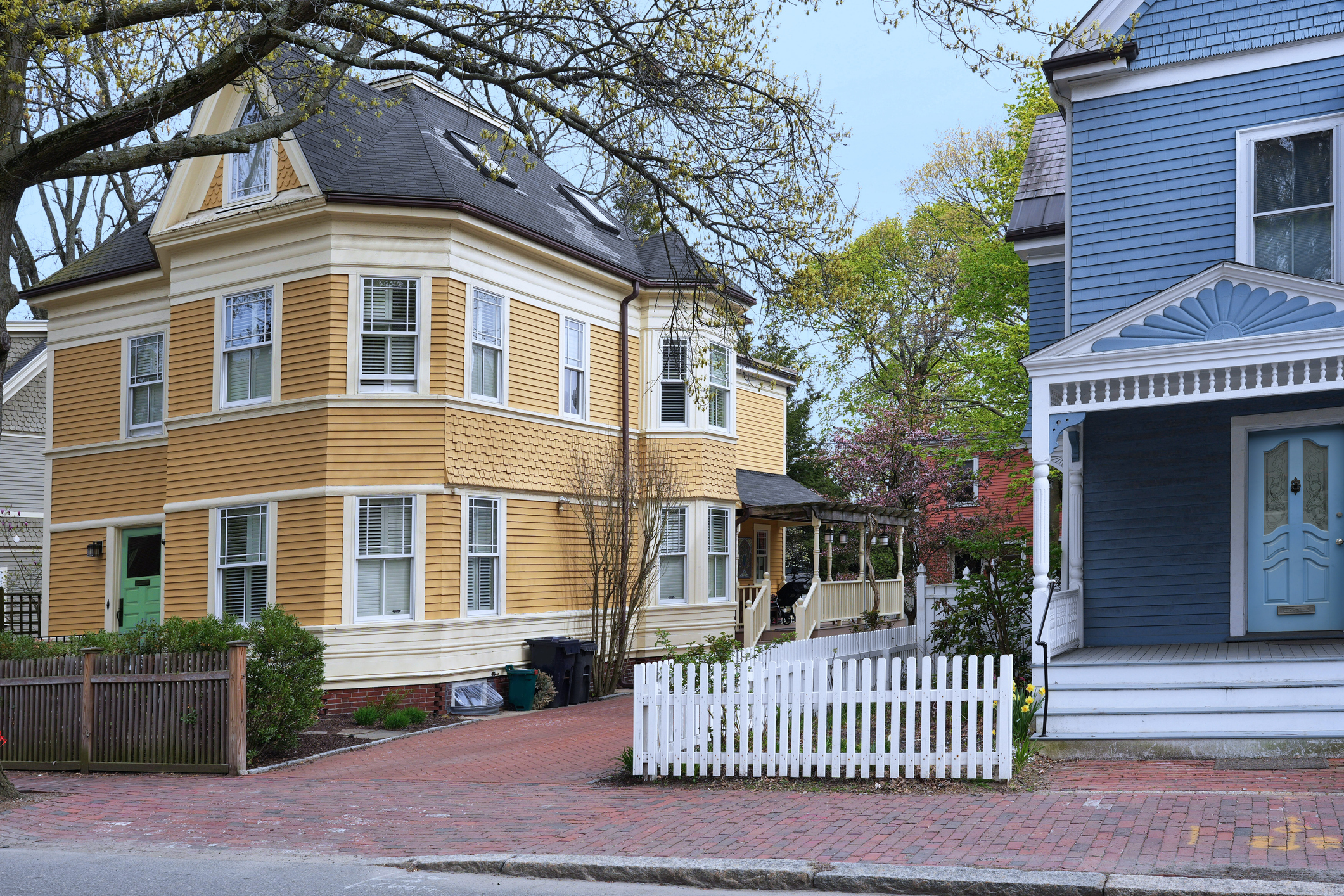
By afternoon, I was considering a different version of that question: how neighbors arrange to share a driveway between two buildings. A shared driveway is not the road to Jericho, and an easement is not an act of mercy. Still, both brought me back to the same question: Is being a good neighbor simply a matter of fulfilling our obligations, or does it require something more?
Law Office, 4:30 p.m.
While reviewing documents regarding a shared driveway, I read the contract that established the original legal framework.
Minneapolis, December 11, 1912
A married couple and a Minnesota business corporation enter into an easement agreement for a common driveway. The corporation also grants the couple an easement to install a post adjacent to its building, for the purpose of maintaining clotheslines when the shared driveway is not in use.
Law Office, 4:40 p.m.
The clothesline easement is a strikingly specific accommodation. Yet the agreement does not address several questions that shared use can raise: upkeep, including snow removal, driveway repairs, and maintenance costs; risk allocation, including liability, insurance, and indemnification; or governance, including decision-making and dispute resolution. The contrast caught my lawyer’s eye: the document provides for sharing the space but leaves these potential difficulties of sharing unaddressed.
Of course, even if the agreement had addressed every one of these issues, it could not have guaranteed that the neighbors would get along. Legal agreements can establish rights and responsibilities, but they cannot require patience, generosity, or goodwill. Those are choices the parties must make for themselves. And sometimes, being a good neighbor means doing more than the agreement strictly requires.
What stood out to me the most, however, was the date: December 11, 1912, less than two years before the start of World War I. I imagined the people of that era going about their ordinary lives—studying for exams, shopping for Christmas, or earning a living—unaware of the extraordinary events that lay ahead. Yet amid all that uncertainty, two neighbors were simply trying to figure out how to share a driveway and accommodate a clothesline. More than a century later, the details of their agreement survive, offering a small reminder that much of life—and much of the law—is about how we live alongside one another.
From Jerusalem in 33 to Minneapolis in 1912—a lot of time travel for a lawyer in one day. Across those centuries, the question of how to treat a neighbor remained. An agreement can define the right to use a driveway or hang a clothesline. It cannot answer the harder question of what we owe one another, or choose to give, beyond the words on the page.
The Good Samaritan reminds us that being a neighbor is not merely a matter of proximity or obligation, but of how we choose to treat others. As lawyers, we spend much of our time defining rights, responsibilities, and remedies. That work matters. But the law establishes only a framework for living and working together. Compassion, generosity, and grace are what make those relationships work. Whether sharing a driveway, navigating a business disagreement, or encountering someone in need, there will be times when doing what is right calls us to go beyond what is legally required.
Perhaps that’s the lesson I carried from my kitchen table to my law office that day: The more important question isn’t always “What does my neighbor owe me?” but rather “What kind of neighbor am I choosing to be?”
Michael Klemm is an MSBA Board Certified Real Property Law Specialist and head of the Real Estate and Land Use, Zoning & Development practice groups at Hellmuth & Johnson.